What Makes an Event an Experience?
Category:
Blog
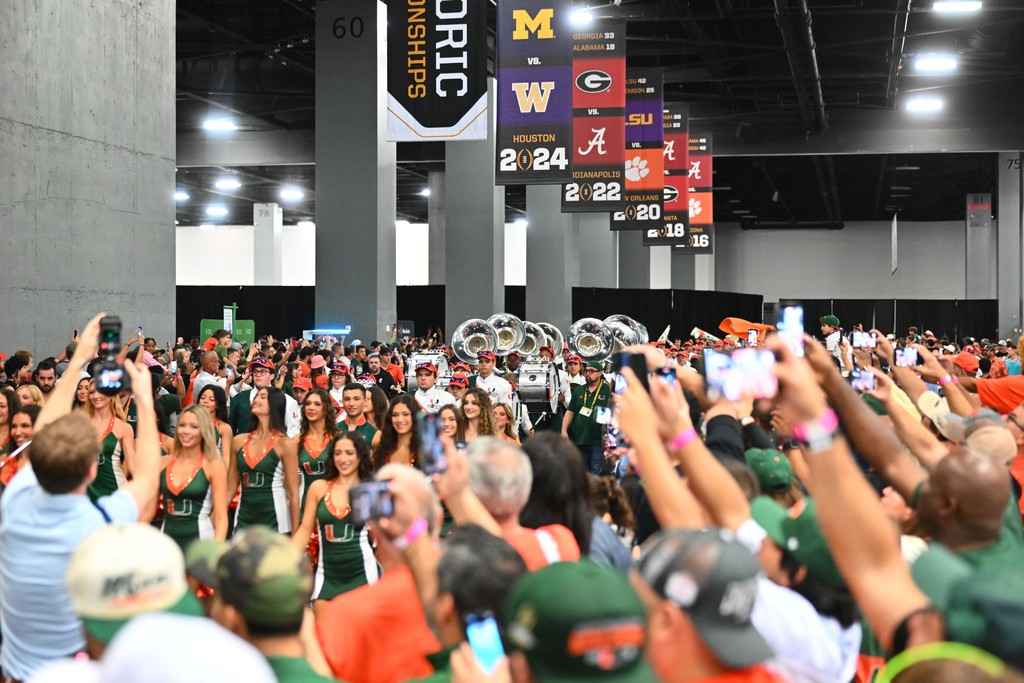
The difference between an event people attend and one they remember comes down to intention—and execution.
There's a version of every event that checks the boxes. The tent goes up. The stage gets dressed. The sponsors get their logos placed. The doors open, the guests arrive, and eventually, it all comes down. Everyone goes home.
Then there's the version that stays with people.
Not because it was bigger or louder, but because it was built with something most events lack: intention behind every single detail.
At Assembli, we've spent 30 years learning the difference between the two—and the gap is wider than most people think.
Events Are Logistics. Experiences Are Architecture.
An event is a set of moving parts: a venue, a timeline, a run of show, a floor plan. It's the operational backbone, and it matters. Without it, nothing works.
But logistics alone don't create a feeling. They don't make a guest slow down as they round a corner and notice the way the light hits just right, or the way a space opens up in a way that makes 50,000 square feet feel like it was built specifically for them.
Experience design starts where logistics end. It's the act of shaping how people move through a space, what they encounter, and how each moment builds on the one before it. It's spatial, emotional, and deeply intentional.
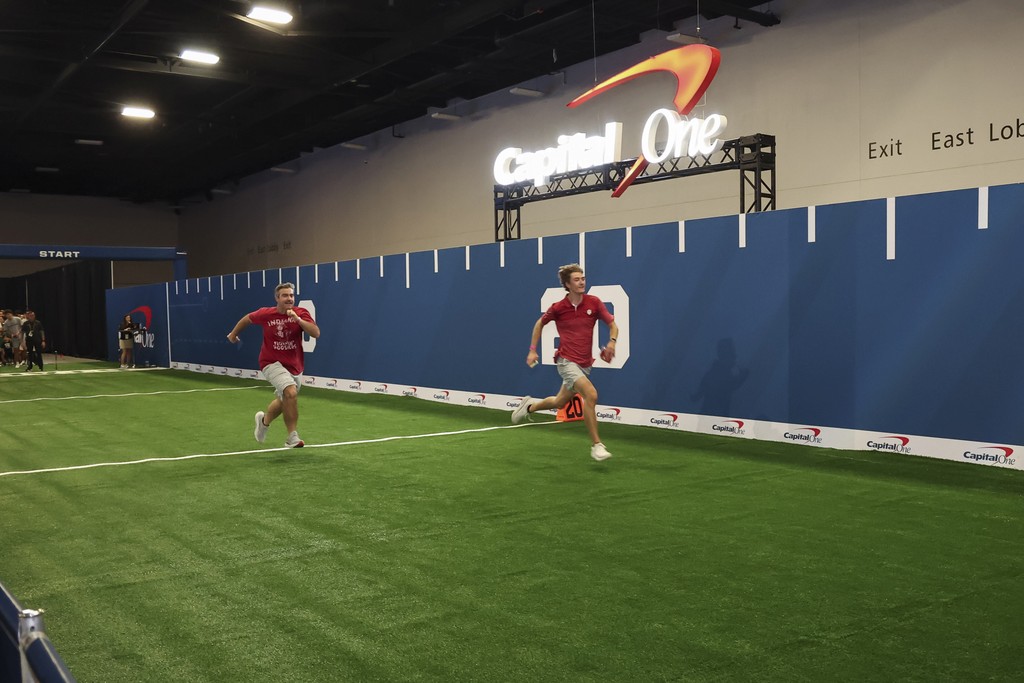
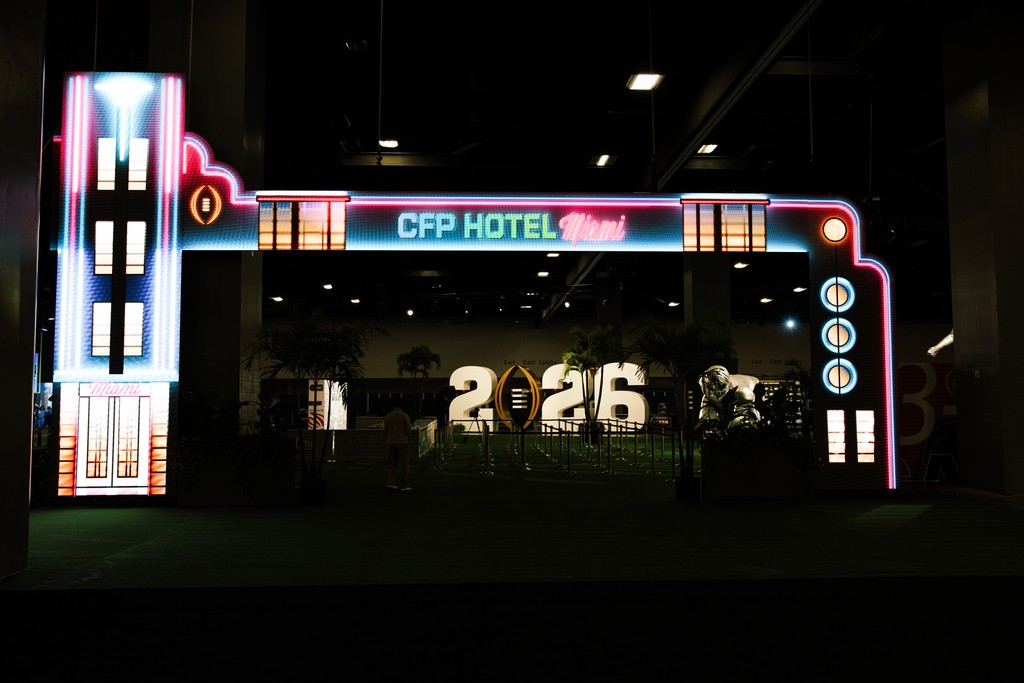
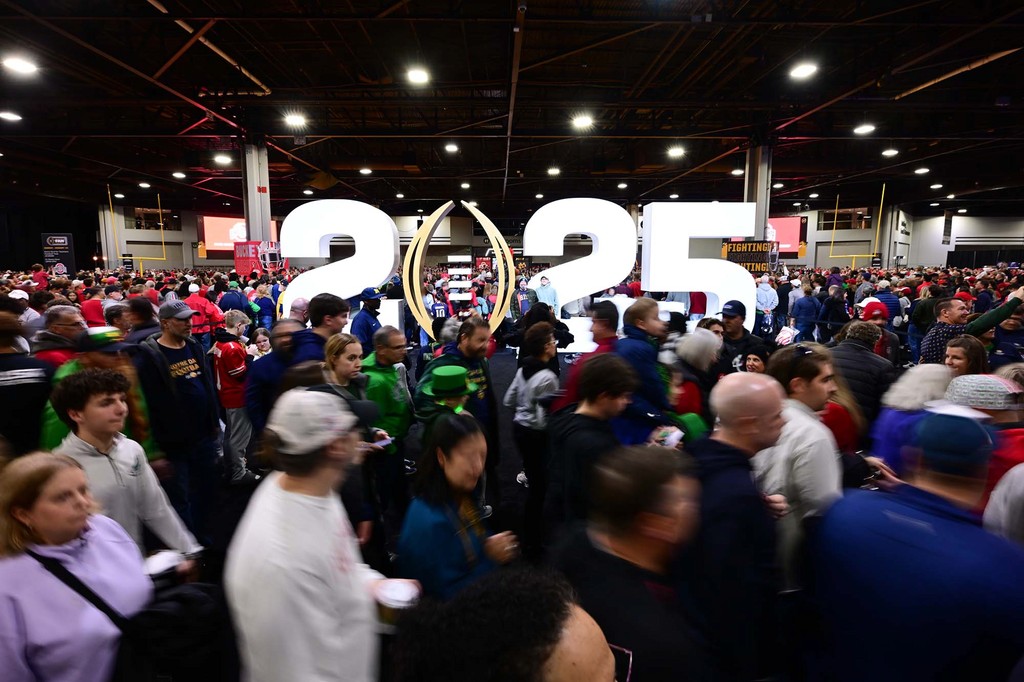
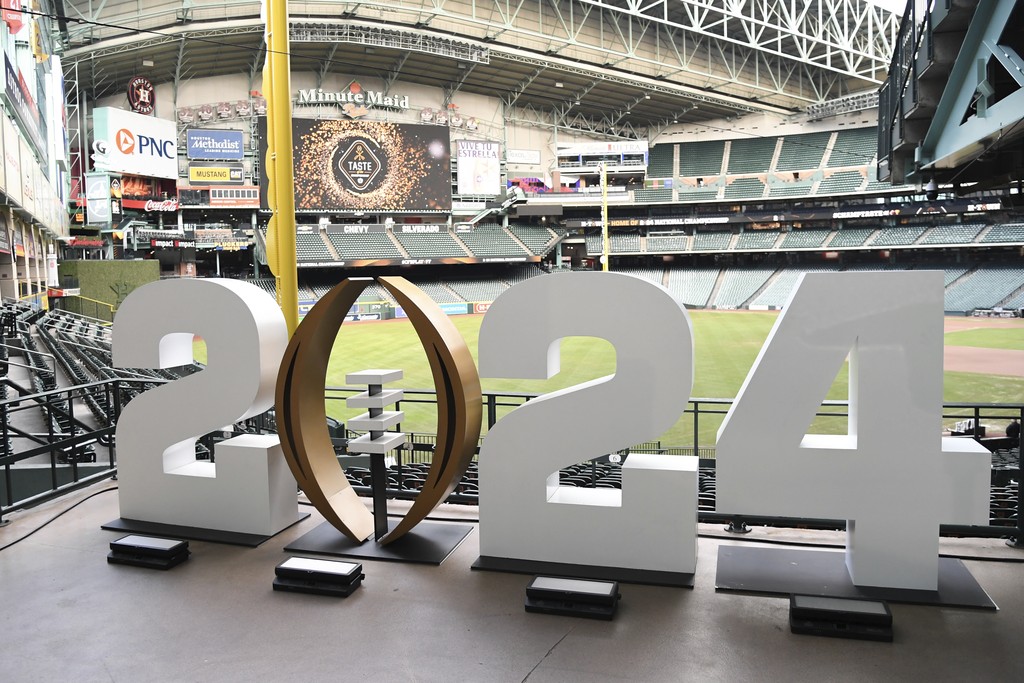
When we designed Playoff Fan Central across three different host cities—Houston, Atlanta, and Miami—the operational playbook could have stayed the same. Same layout, same signage, same format. Instead, each year was reimagined from the ground up. Houston centered on a large-scale field that became an iconic focal point. Atlanta prioritized flow and visibility for a record-breaking crowd. Miami leaned into the city's cultural identity through color, design, and a Trophy Showcase inspired by the Wynwood Walls.
The logistics held all three together. The experience is what made each one distinct.
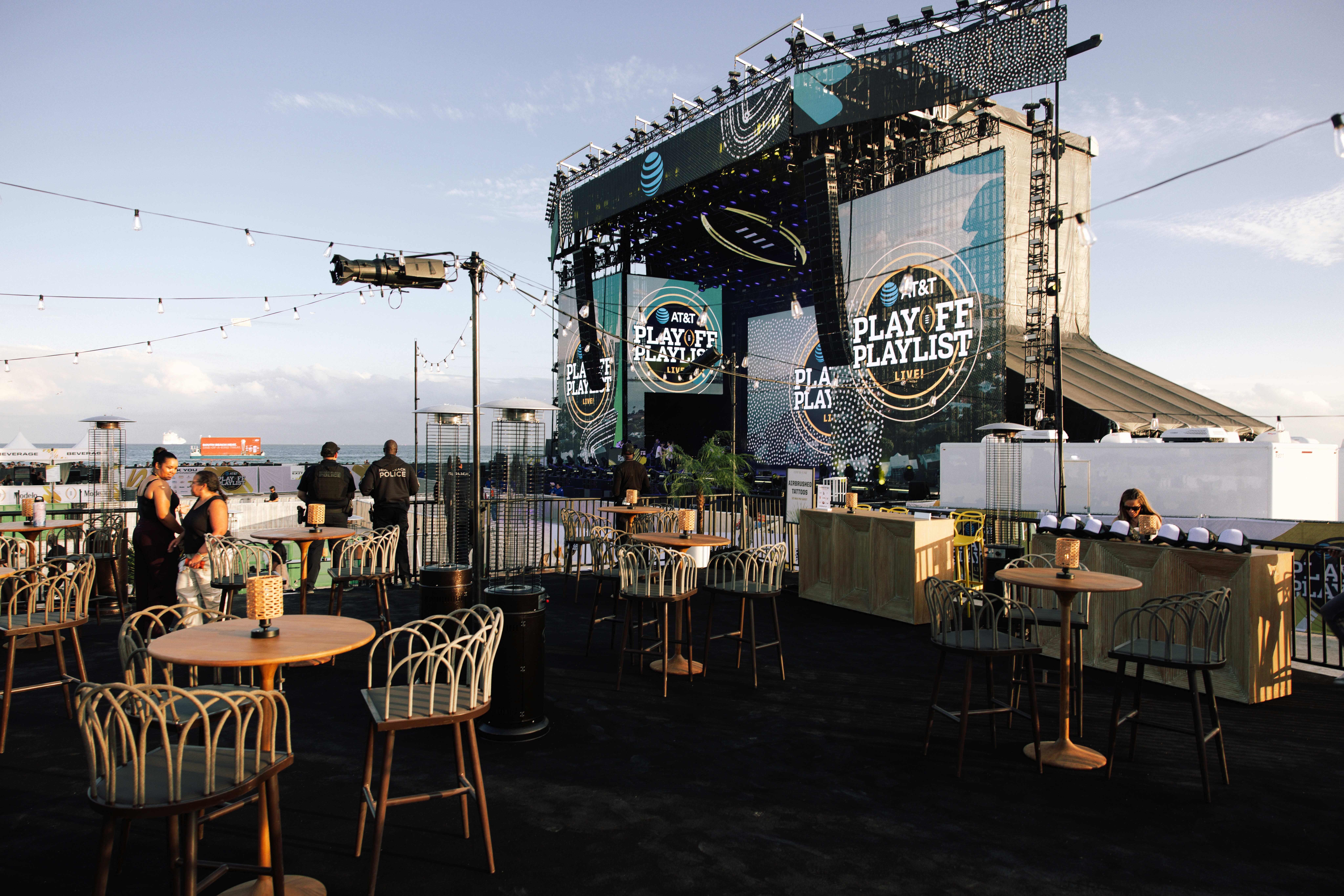
The Details People Don't See Are the Ones They Feel
There's a reason the most memorable moments at events feel effortless. It's because someone planned them meticulously.
The entrance that builds anticipation instead of confusion. The transition from one zone to the next that shifts the energy without jarring anyone. The lounge that feels like a quiet exhale in the middle of a packed weekend.
These aren't accidents. They're design choices—made early, held firmly, and executed without compromise.
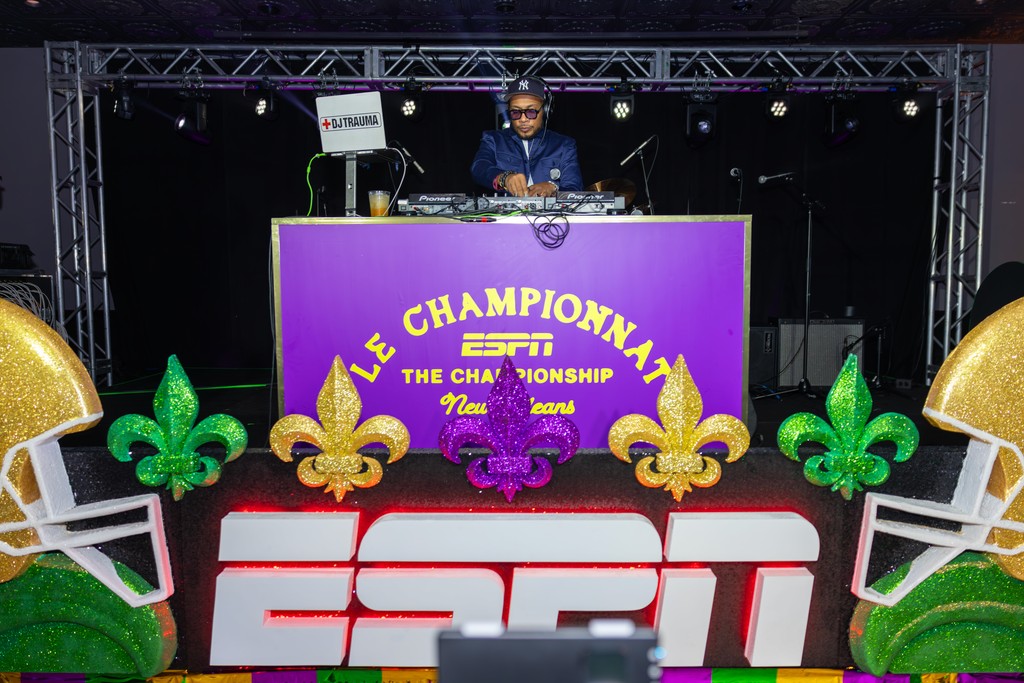
For the ESPN Super Bowl VIP Program in New Orleans, every touchpoint across a multi-day weekend was calibrated to manage energy. The Tap Inn Lounge gave guests a place to breathe during an otherwise relentless week. Friday night elevated the mood with an intimate dinner and live music. Saturday night shifted into full celebration, with a custom stage, immersive branding, and live performance that captured the city's identity. Sunday capped with a tailgate where a local high school marching band led guests to the stadium.
None of that sequence is random. Each moment was designed to give guests a rhythm—space to settle, moments to connect, peaks to remember.
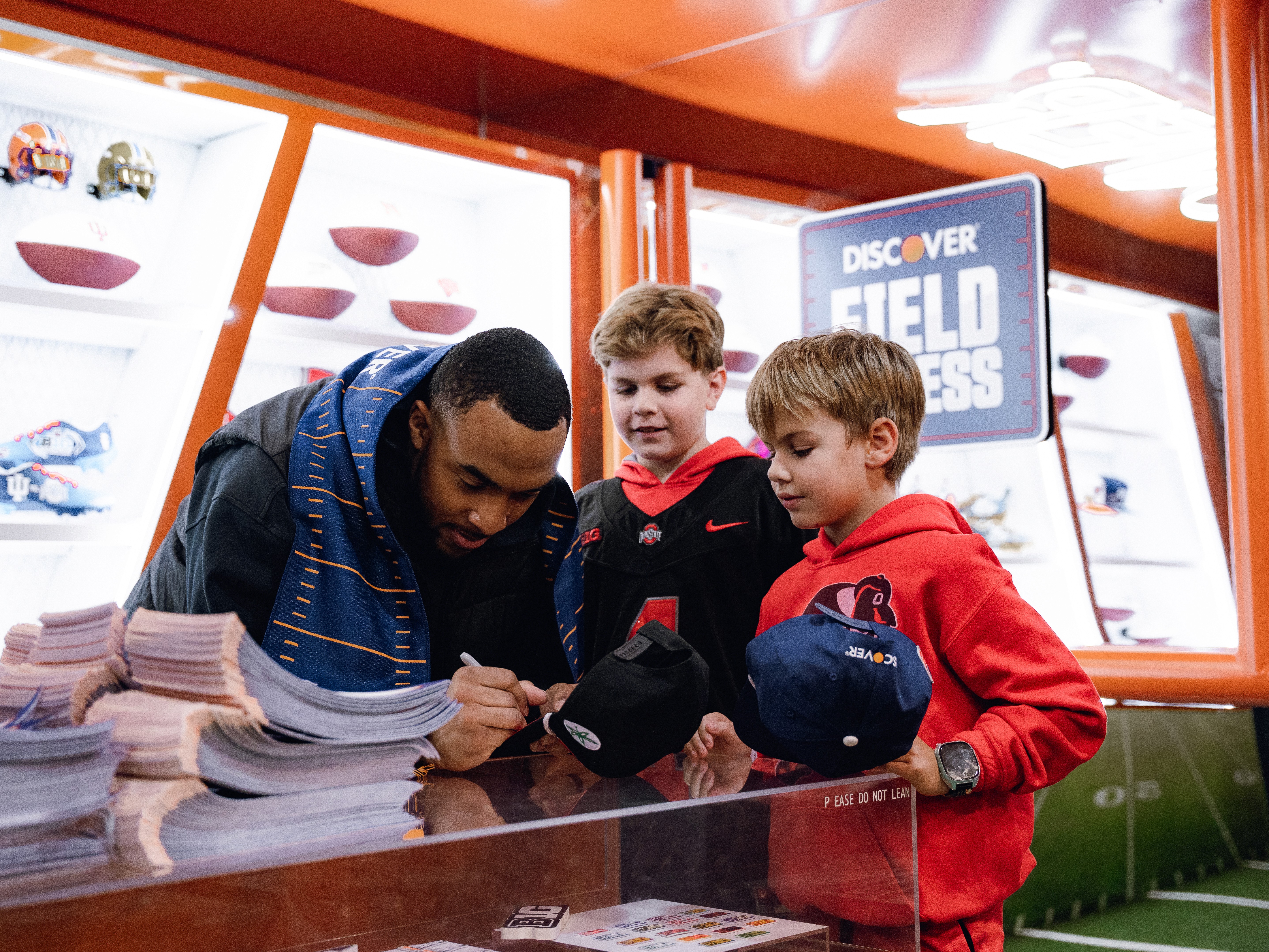
Place Should Shape the Experience, Not Just Host It
One of the most common mistakes in large-scale event production is treating the host city as a backdrop rather than a collaborator. The venue becomes a container, and the event inside it could have been produced anywhere.
The most effective experiences don't just happen in a city. They respond to it.
Culture, climate, local energy, the way crowds naturally move through a specific neighborhood—these things should influence the design just as much as the brand brief. When that connection between place and production is strong, the event feels like it belongs. Guests don't just attend. They feel like they're somewhere.
This is especially true for events that travel. A fan experience built for Houston won't resonate in Miami unless the design accounts for what makes each city different. The best activations treat every new market as a fresh canvas, even when the brand identity stays consistent
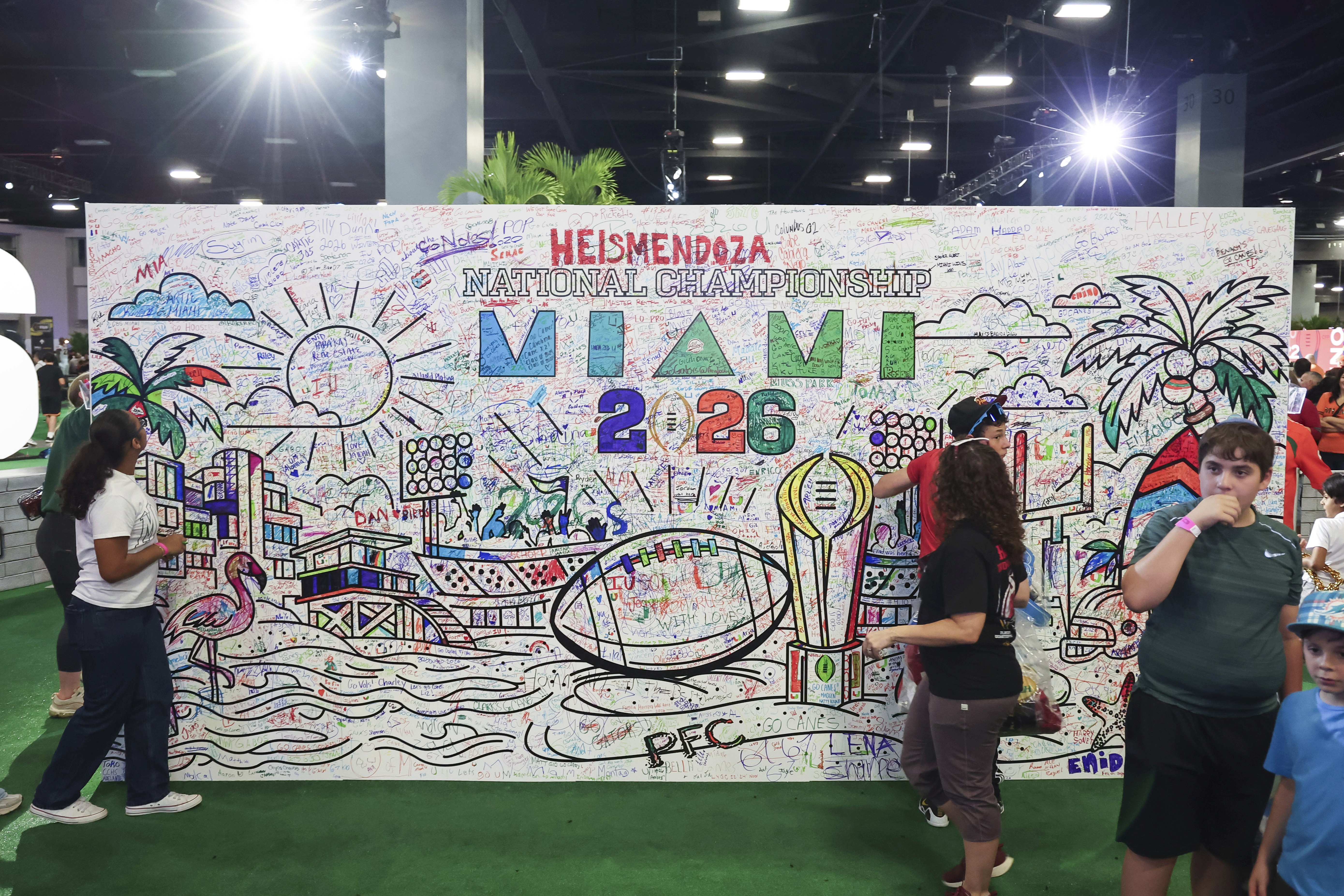
The Shift Brands Need to Make
The events industry is moving fast. Audiences expect more personalization, more immersion, and more cultural relevance than they did even two years ago. Sustainability is no longer a talking point—it's a selection criterion. And the line between physical and digital experiences continues to blur, with events now expected to generate content, community, and conversation well beyond the final day.
But none of that matters without the fundamentals. The brands that succeed in this space aren't the ones chasing the newest technology or the biggest footprint. They're the ones building with discipline and thinking about every detail that shapes how a guest feels from the moment they arrive to the moment they leave.
Because here's the truth about events: attendance is a metric. Experience is a feeling. And the gap between the two is where the best work lives.
What We Believe
At Assembli, we design fan experiences, elevated hospitality, and brand activations grounded in audience insight, creative clarity, and precision execution. We create moments that connect and last long beyond the day.
Whether you're building a fan activation, a VIP hospitality program, or a brand moment that needs to stand on its own—we approach every project the same way: with structure, sensibility, and a deep belief that every piece counts.
Let's build something meaningful together.