The Space Between the Stage and the Seat
Category:
Blog

VIP hospitality isn't about exclusivity. It's about intention.
crowd and into a different environment. The noise drops. The pace changes. The space feels considered in a way the general footprint doesn't.
That transition—from the energy of the main event to the calm of a hospitality environment—is one of the most important design moments in event production. And it's one of the most overlooked.
Too often, VIP hospitality is treated as a line item rather than an experience. A roped-off section. A catered room with branded napkins. A slightly better view of the stage. The guest gets access, but they don't get anything that feels meaningfully different from what's happening on the other side of the velvet rope.
The best hospitality programs don't just separate guests from the crowd. They give them something worth stepping into.
Hospitality Is an Environment, Not a Perk
The word "VIP" carries a lot of assumptions. Premium food and beverage. Comfortable seating. A sense of being taken care of. Those things matter, and they should be present in any serious hospitality program.
But they're table stakes. They're the minimum. And when the entire experience is built around minimums—no matter how well-executed those minimums are—guests leave feeling like they were serviced, not hosted.
The distinction matters more than most producers realize. Service is reactive. It responds to what a guest needs in the moment. Hosting is proactive. It anticipates. It shapes the environment so that needs are met before they're expressed, and so that every moment in the space feels like it was designed with a specific intention.
That shift—from service to hosting—is what separates a VIP area from a VIP experience.
Designing Energy Across Time
One of the most underappreciated aspects of hospitality design is pacing. A multi-day program doesn't operate at one speed. The energy on arrival day is different from the energy on game day. A Friday evening dinner serves a different emotional purpose than a Saturday night celebration. And the final morning—when guests are tired, overstimulated, and ready to decompress—requires its own kind of attention.
The best hospitality programs are designed as arcs, not moments. Each touchpoint builds on the one before it, and the overall rhythm gives guests permission to move between different emotional states without feeling like the experience is lurching from one thing to the next.
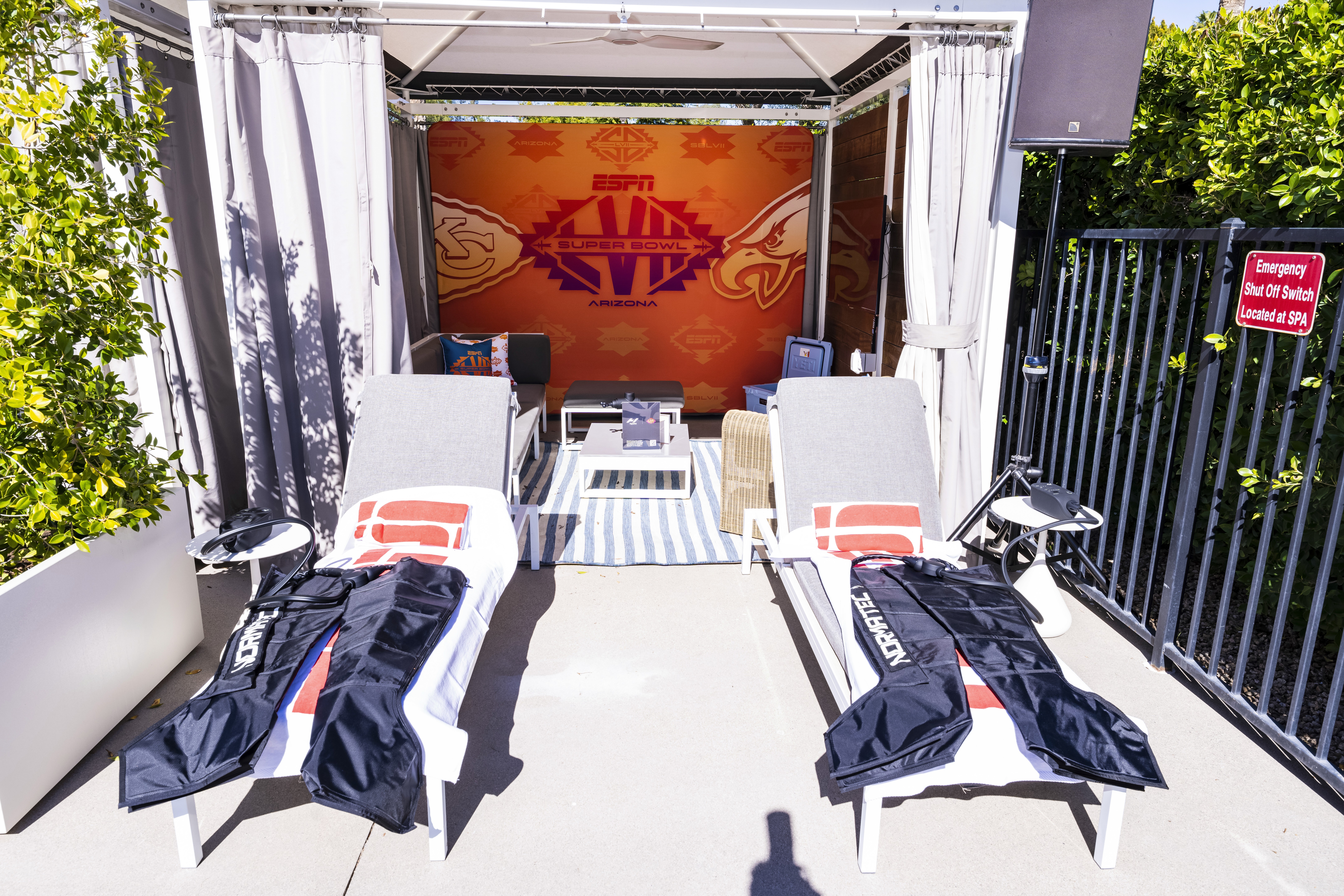
When we produced the ESPN Super Bowl VIP Program in New Orleans, this principle drove every decision. The weekend opened with the Tap Inn Lounge—a relaxed, comfortable home base where guests could arrive, settle in, and move at their own pace during an otherwise relentless Super Bowl week. Curated food and beverage, wellness drinks on tap, live ESPN coverage, and interactive content created a space that guests could return to throughout the weekend whenever they needed a moment of calm.
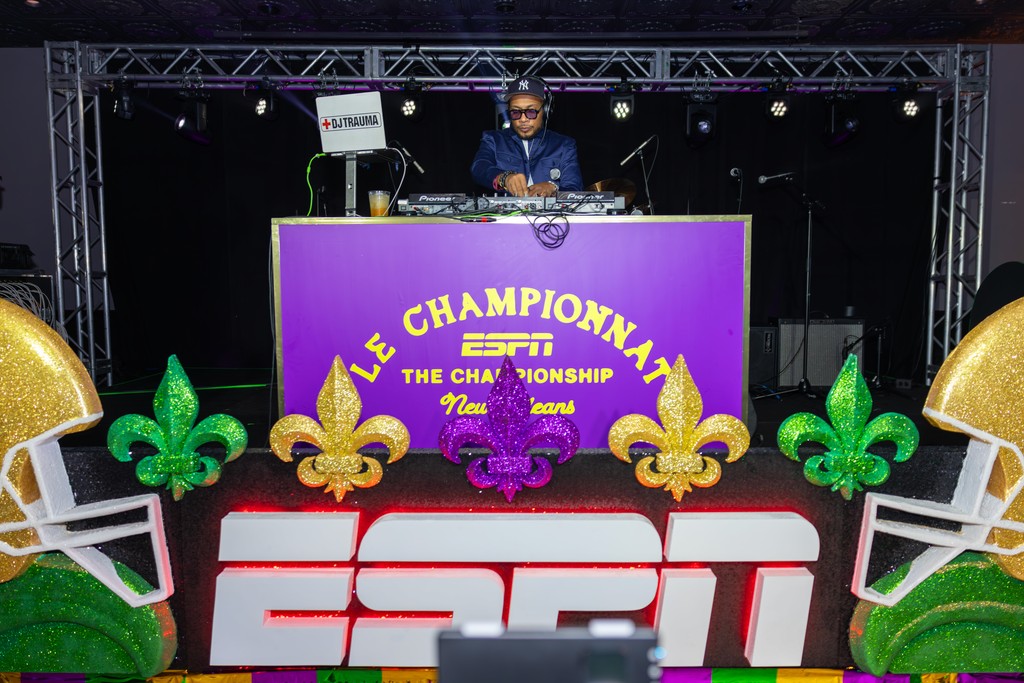
As the weekend progressed, the energy built deliberately. Friday featured an elevated dining experience with live music—social, warm, but still measured. Saturday shifted into a high-energy celebration that leaned fully into New Orleans culture, with a custom-built stage, immersive ESPN branding, local design elements, and live performance that created the weekend's peak moment.
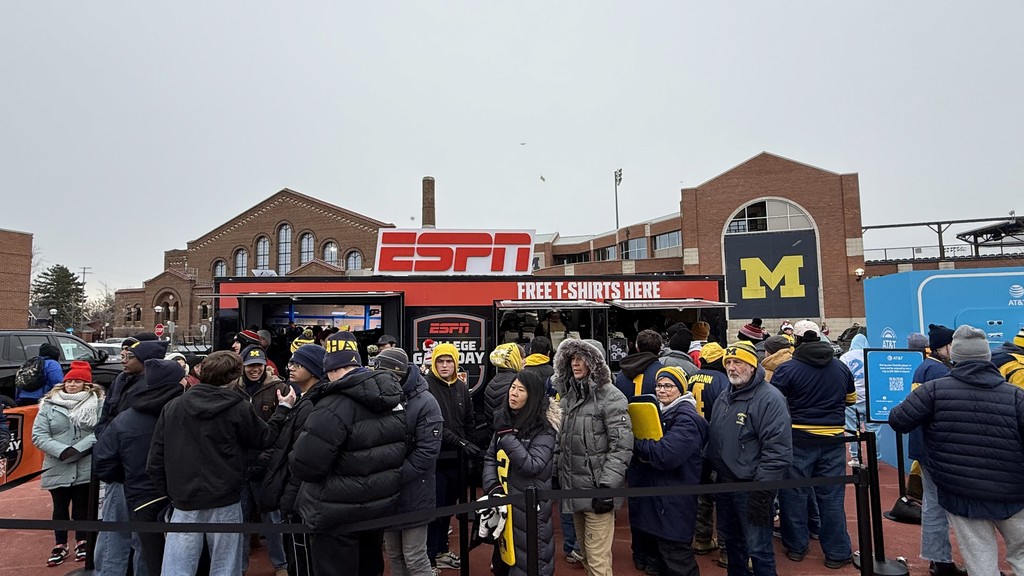
Sunday brought it all together with a tailgate near the stadium—food, drinks, photo moments, and live music—before a local high school marching band led guests to the game. The sequence wasn't arbitrary. It was architecture. Each moment existed because of where it sat in the arc.

Why It Matters for Sponsors
Place-responsive design isn't just a creative exercise. It has real implications for the brands and sponsors embedded in these environments.
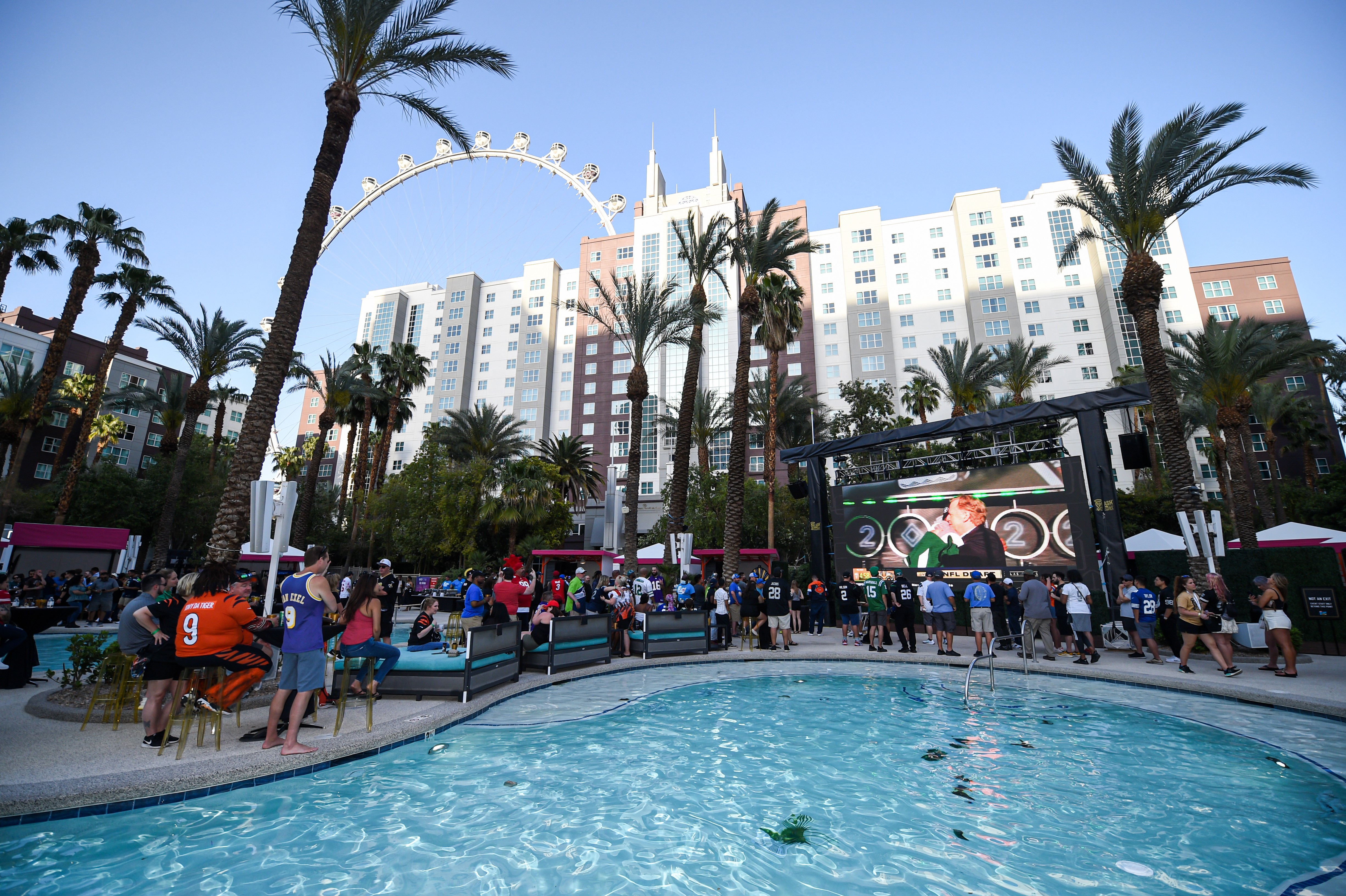
When an activation feels generic, sponsor placements become wallpaper. Guests walk past them. They blend into a landscape of signage that could be anywhere. But when the surrounding environment feels intentional and specific to the moment, guests pay more attention to everything in the space—including the brands that helped build it.
Dwell time increases. Photo moments feel more authentic. Sponsor interactions move from obligatory to organic. The environment does the work of drawing people in, and the sponsors benefit from being part of something guests actually want to engage with.
This is especially important as the industry moves toward measuring experiential ROI more rigorously. Brands are asking harder questions about what their sponsorship dollars actually produce. An activation that responds to its environment—and earns real attention because of it—answers those questions more convincingly than one that relies on repetition alone.
A Different Canvas Every Time
The events industry talks a lot about innovation—new technology, new formats, new ways to engage audiences. And those conversations matter. But some of the most impactful innovation isn't about adding something new. It's about paying closer attention to what's already there.
Every city has a story. Every market has a culture. Every venue has a character that either works with your design or against it.
The agencies and brands that treat each new location as a fresh canvas—while maintaining the operational consistency to deliver at the highest level—are the ones producing work that audiences actually remember. Not because it was the biggest or the loudest, but because it felt like it belonged exactly where it was.
That's the difference between an event that travels and an experience that arrives.
Built for Every Market
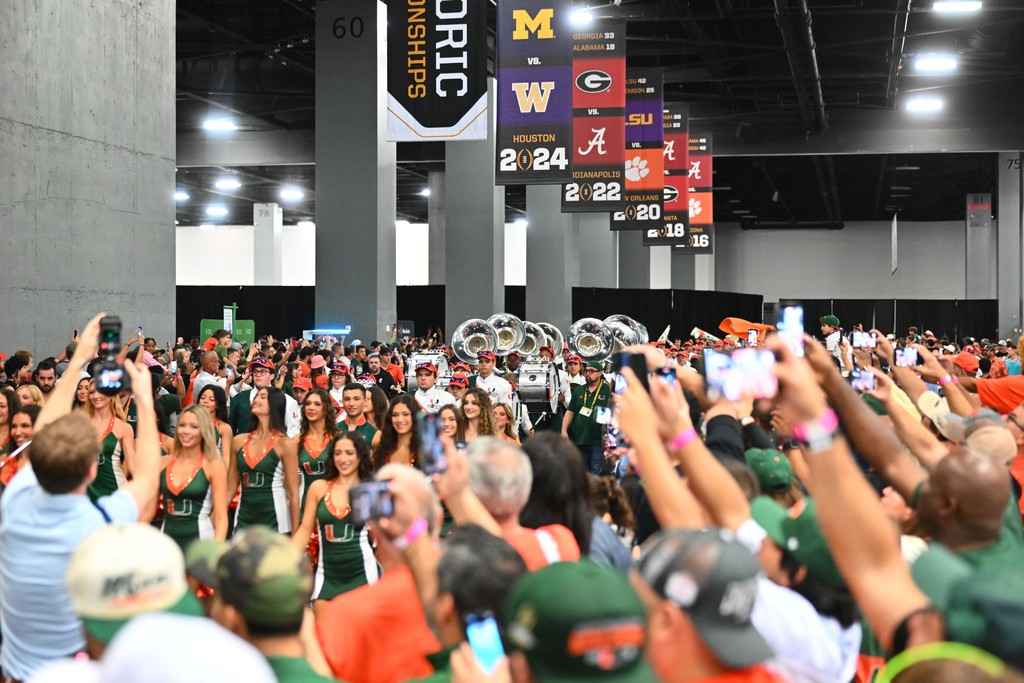
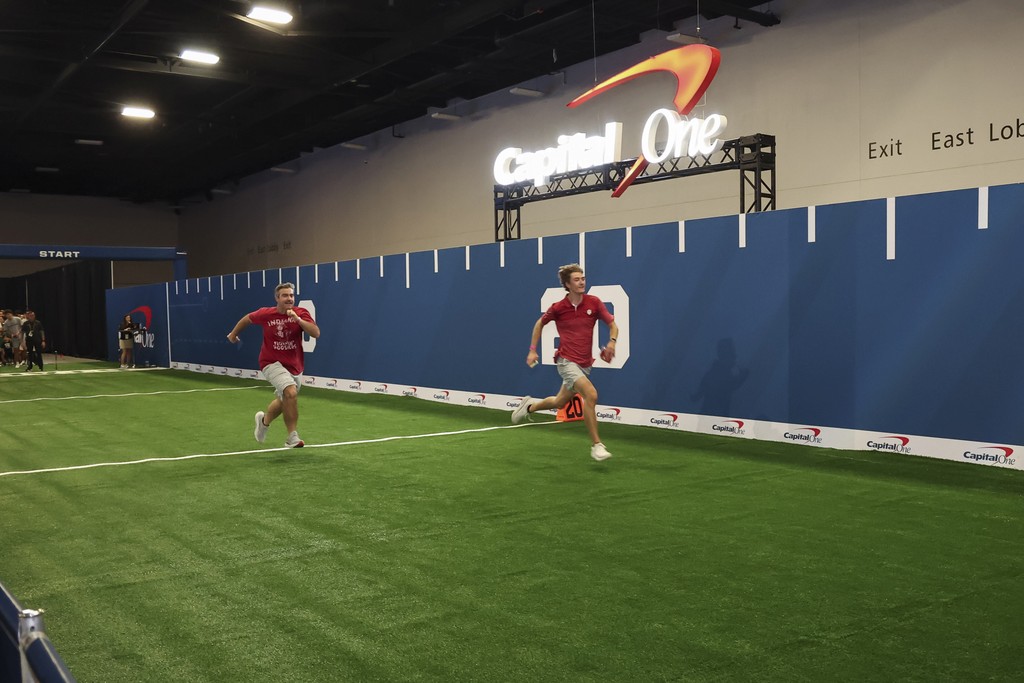
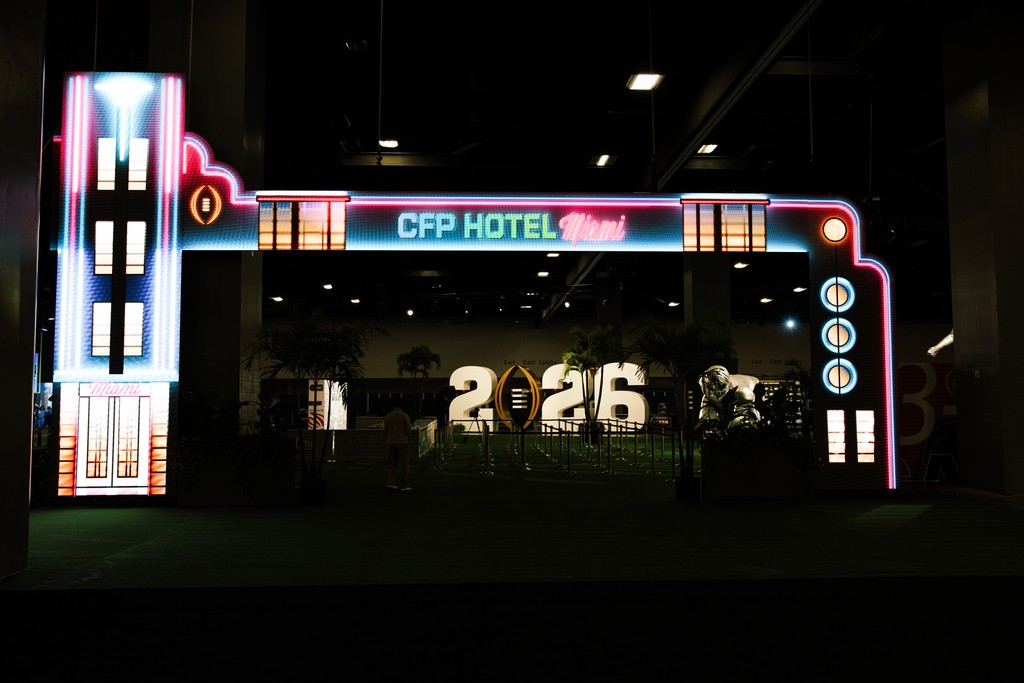
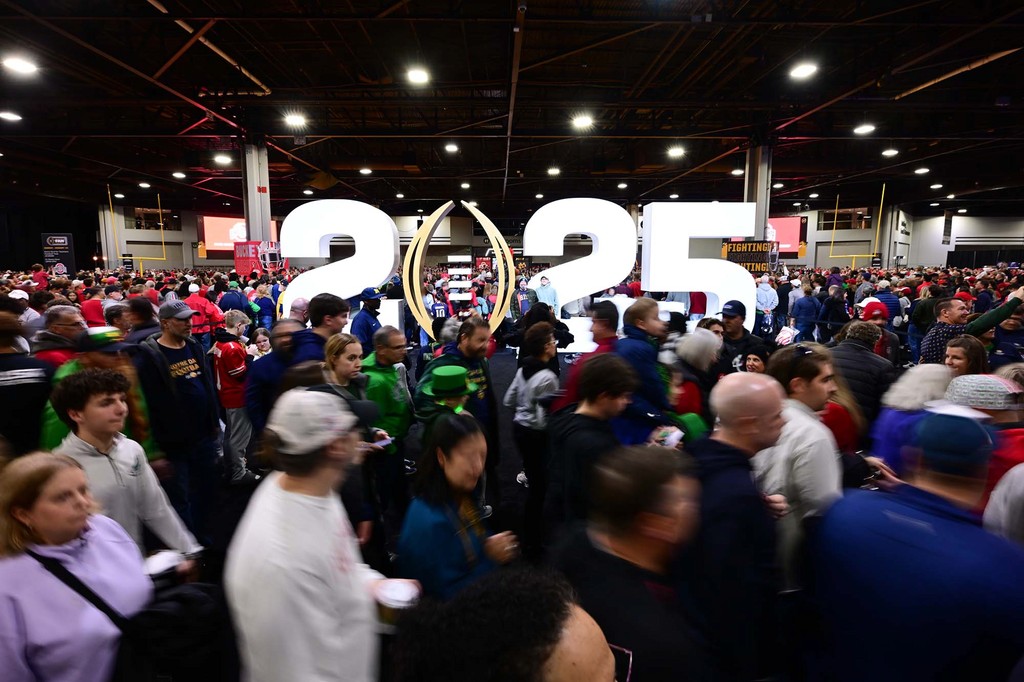
Assembli designs fan experiences, elevated hospitality, and brand activations that respond to place without sacrificing scale. From convention centers to beachfronts, from tailgate environments to transformed hotel rooms, we bring the same standard of creative clarity and precision execution to every market we enter.
Wherever you're building next, we're ready.