Every City Tells a Different Story
Category:
Blog
The best events don't just happen in a city. They're shaped by it.
Every host city comes with its own identity. Its own energy, its own rhythms, its own way of moving people through space. The light is different. The crowds behave differently. The things that feel celebratory in one market fall flat in another.
And yet, most large-scale events are designed once and repeated everywhere.
Same floor plan. Same signage package. Same sponsor layout. The city name changes on the program, but the experience doesn't. It's efficient. It's scalable. And it's one of the fastest ways to make an event feel forgettable.
At Assembli, we've learned something different over three decades of producing events across the country: the city isn't just where the event happens. It's one of the most powerful design tools you have.
The Problem With Copy-Paste Production
There's a reason so many touring events and recurring activations start to feel interchangeable. When you're managing complex logistics across multiple markets—permitting, load-in schedules, vendor networks, sponsor obligations—it's natural to standardize. Standardization reduces risk. It simplifies planning. It keeps budgets in line.
But there's a cost. When the design doesn't change, the experience doesn't either. Guests in Atlanta get the same activation that guests in Houston got three months earlier. The environment doesn't reflect where they are. It doesn't acknowledge the city they showed up in or the culture they're part of.
That disconnect is subtle, but people feel it. They may not be able to name what's missing, but they leave without the sense that the event was theirs. It was just an event that happened to be nearby.
Designing for Place
Designing for place doesn't mean throwing a city's skyline on a backdrop or swapping out the playlist for local artists. Those are gestures, not strategy.
Real place-responsive design means letting the host city influence decisions at the structural level—how the space is laid out, how guests are welcomed, what the visual language communicates, how energy is paced across the day.
It means asking questions early: What does this city value? How do people here gather? What's the cultural context around this event in this specific market? What will feel authentic versus borrowed?
When we produce Playoff Fan Central, the experience changes meaningfully from year to year—not because the brand evolves, but because the city does.
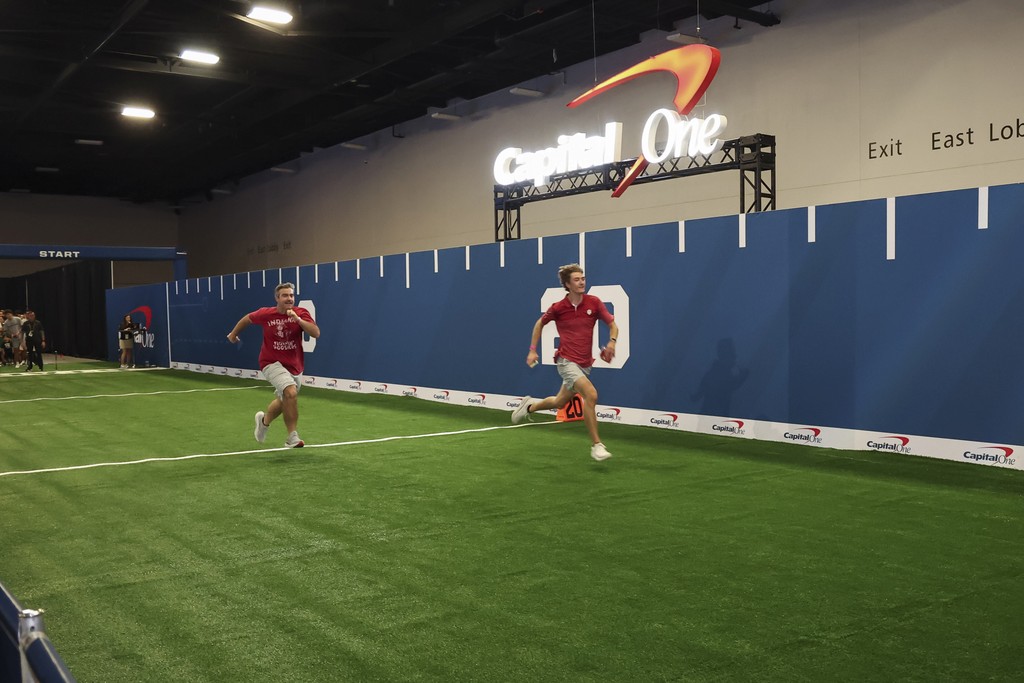
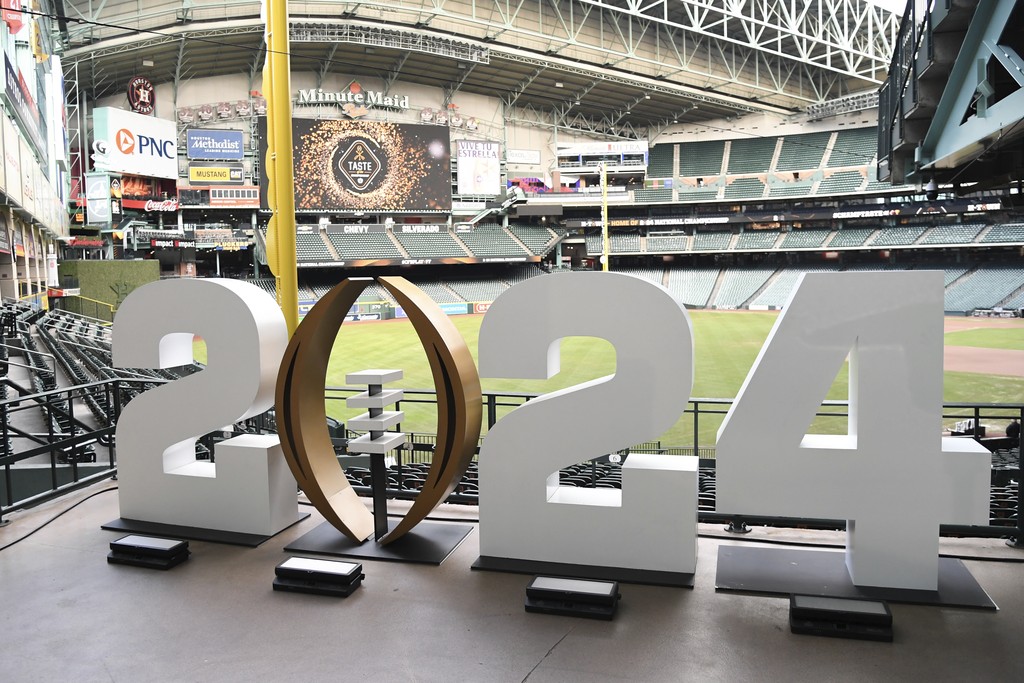
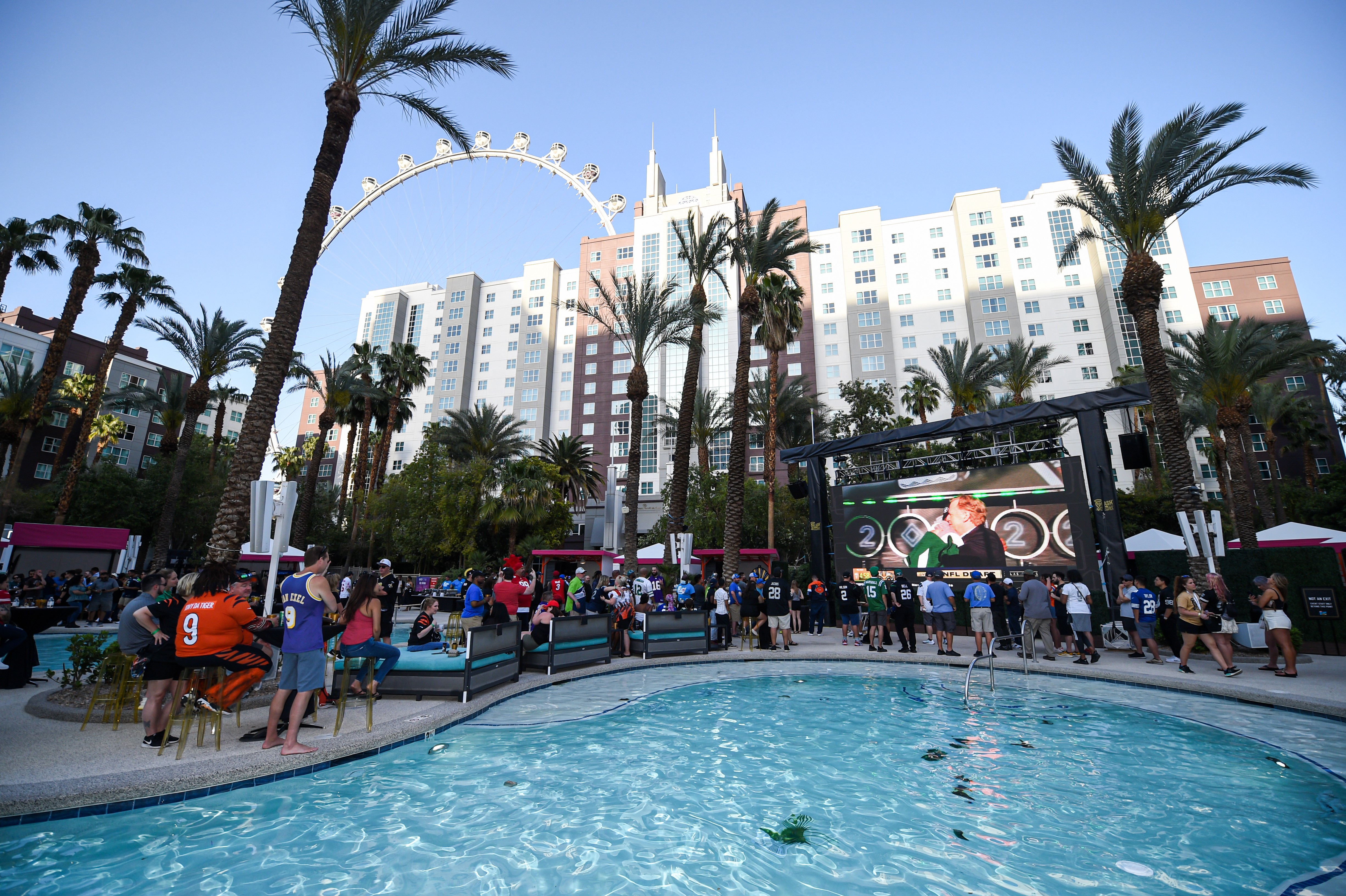
In Houston, we reimagined the footprint around a large-scale CFP field and a dramatic LED tunnel that pulled guests into the space. The design was built to re-energize the event and drive deeper engagement in a market where the format needed a reset.
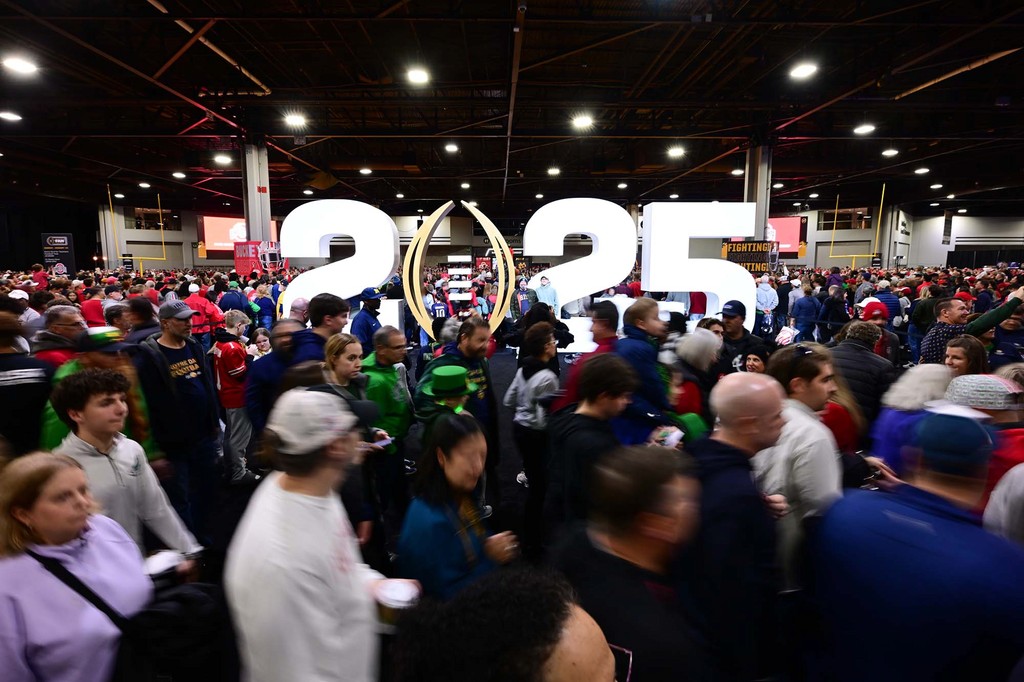
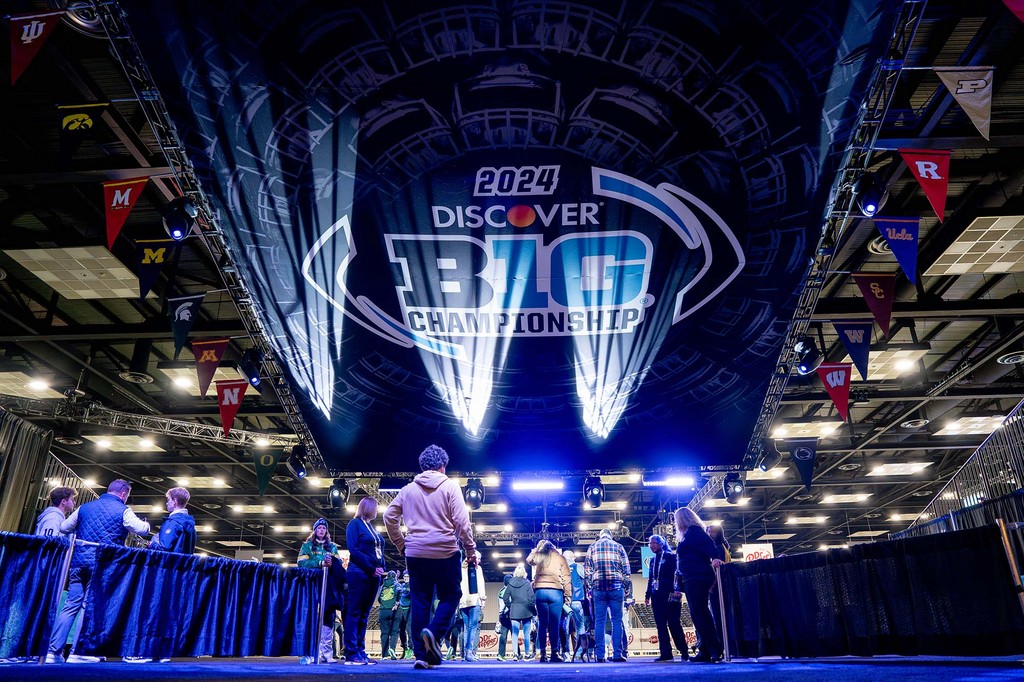
Atlanta required a different approach entirely. Higher projected attendance and an expanded playoff format meant the priority was efficient movement and sponsor visibility. The layout guided guests naturally through the space, reduced congestion, and used large-scale entry moments to set the tone for what became a record-breaking year.
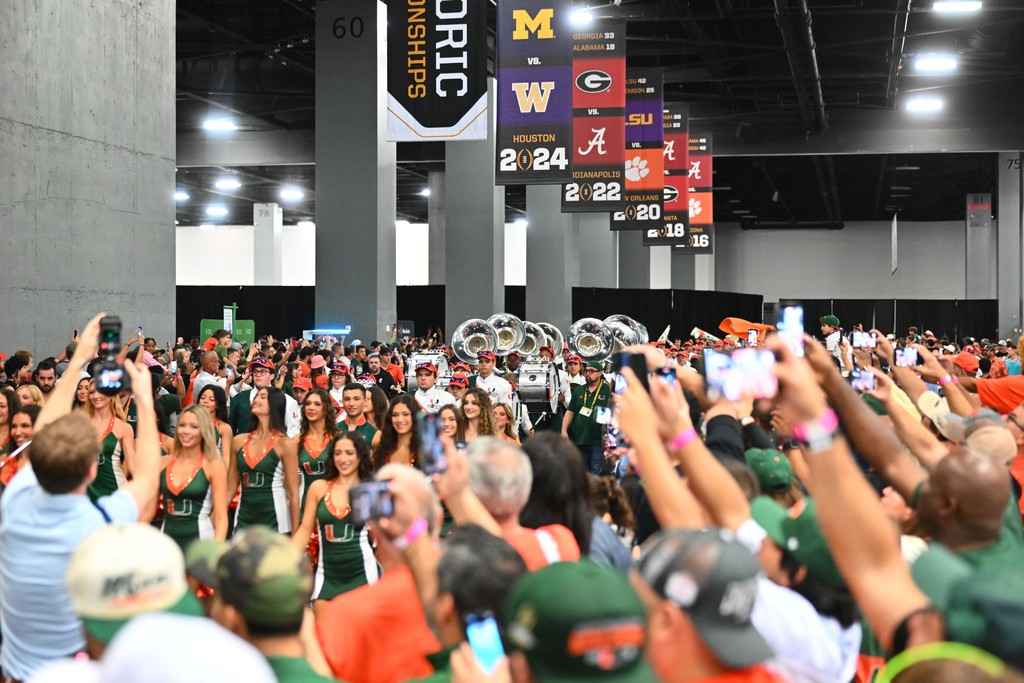
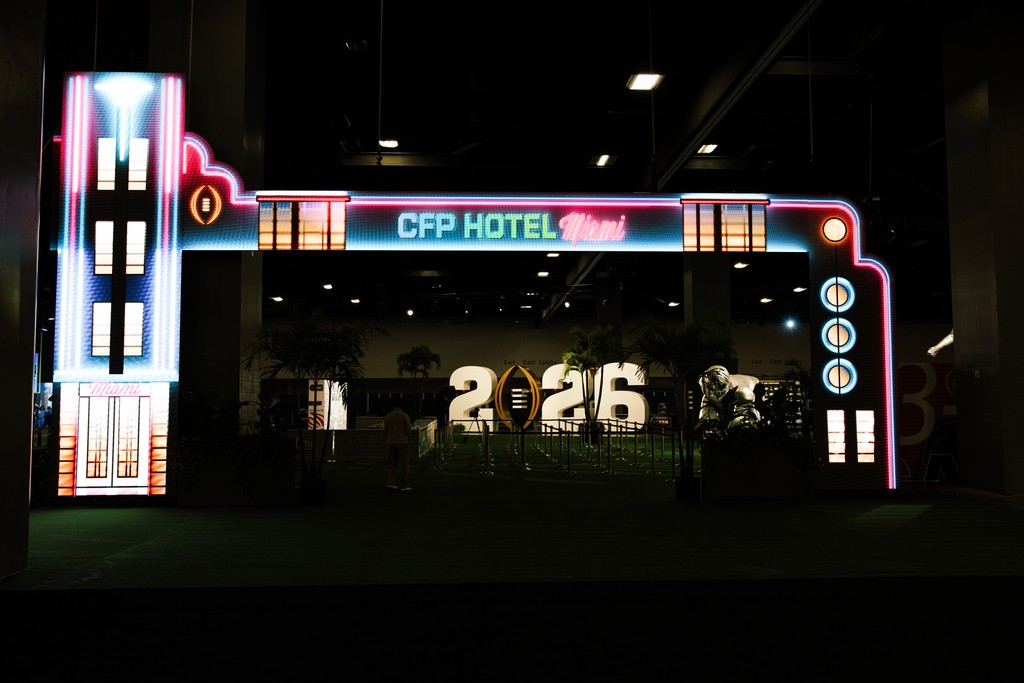
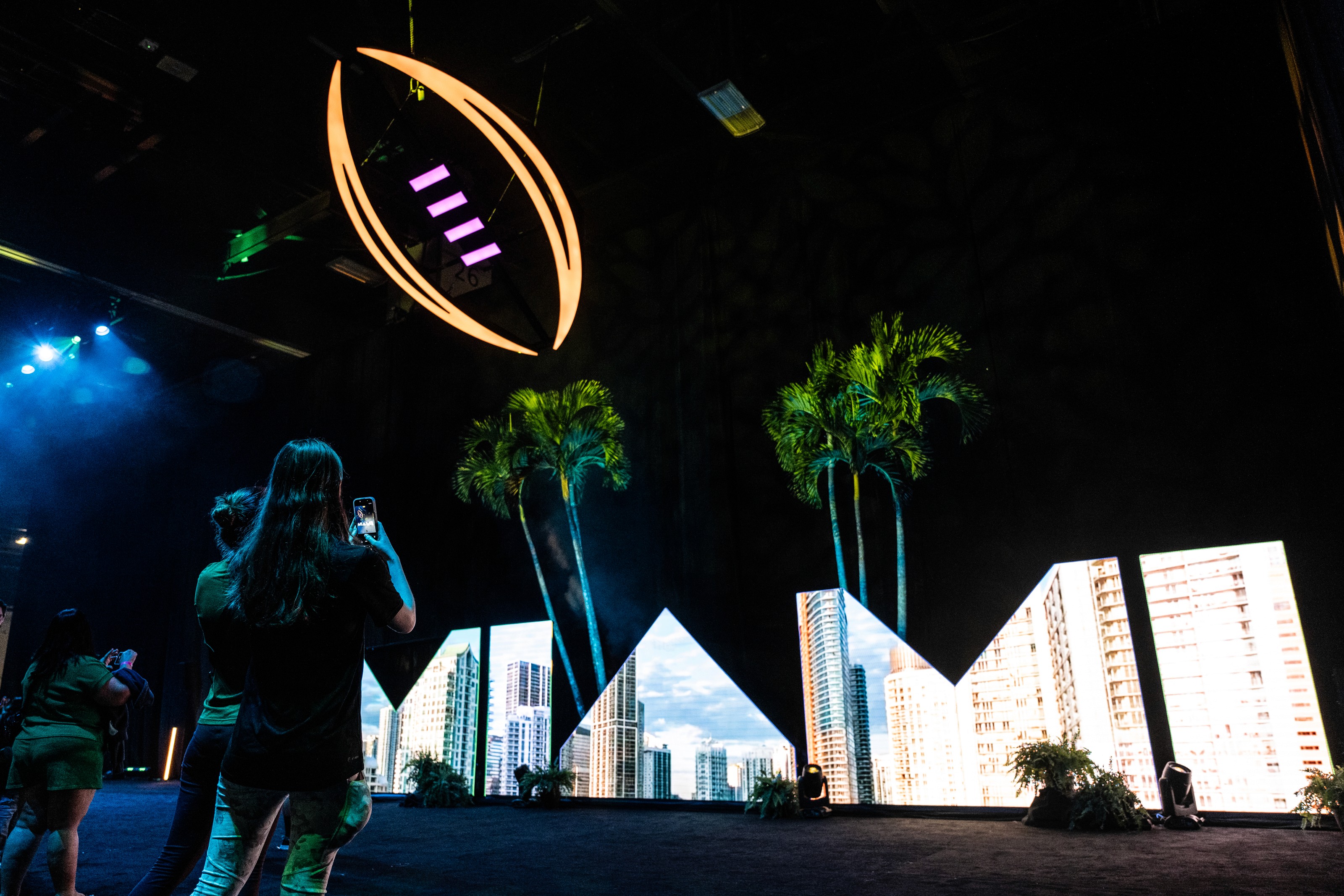
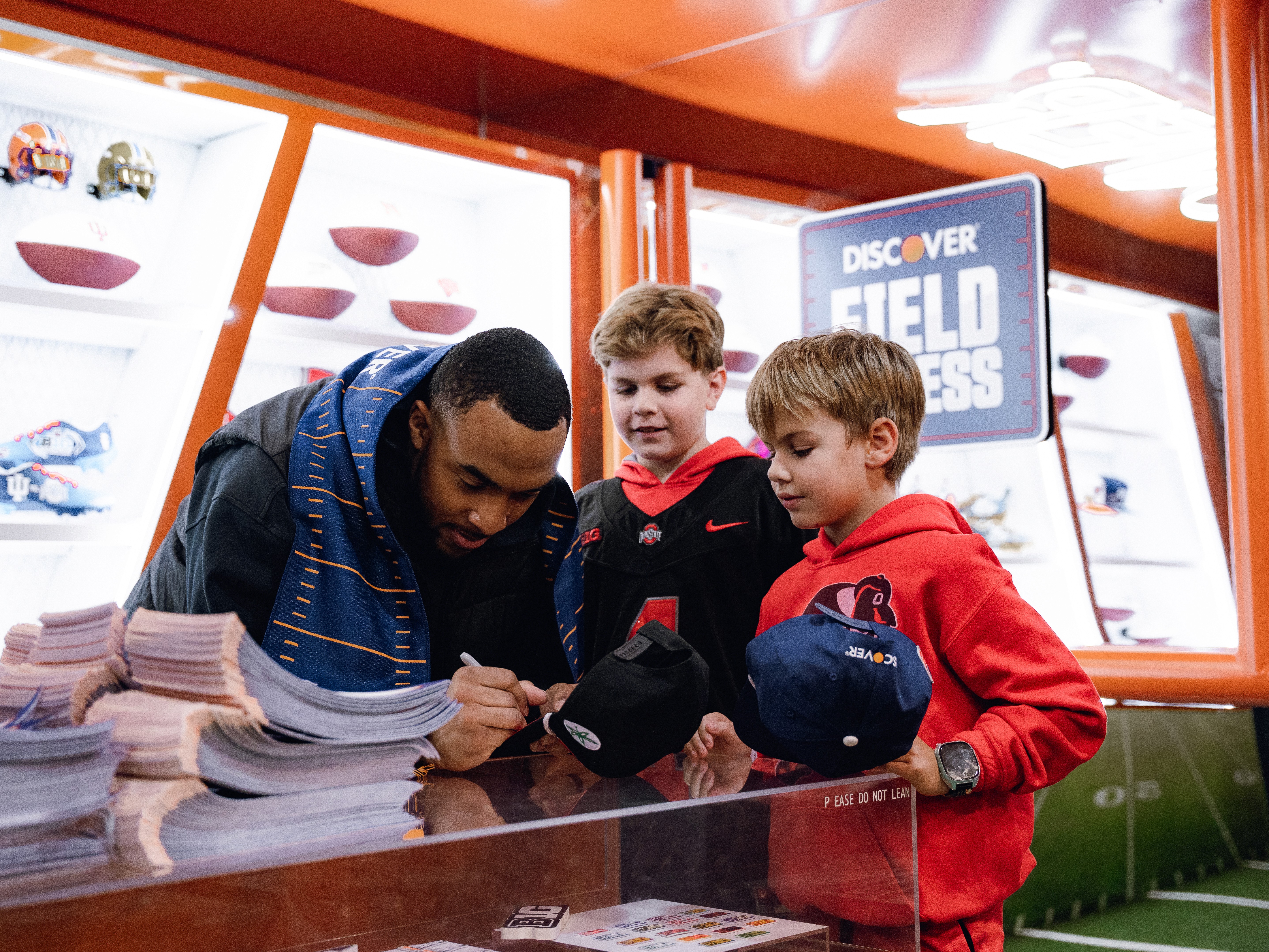
Miami shifted the strategy again. The operational framework stayed intact, but the visual identity leaned into the city—color, texture, and a Trophy Showcase that drew direct inspiration from the Wynwood Walls. The result felt distinctly Miami without drifting from the CFP brand.
Three cities. Three different design strategies. One consistent standard of execution.
Why It Matters for Sponsors
Place-responsive design isn't just a creative exercise. It has real implications for the brands and sponsors embedded in these environments.
When an activation feels generic, sponsor placements become wallpaper. Guests walk past them. They blend into a landscape of signage that could be anywhere. But when the surrounding environment feels intentional and specific to the moment, guests pay more attention to everything in the space—including the brands that helped build it.
Dwell time increases. Photo moments feel more authentic. Sponsor interactions move from obligatory to organic. The environment does the work of drawing people in, and the sponsors benefit from being part of something guests actually want to engage with.
This is especially important as the industry moves toward measuring experiential ROI more rigorously. Brands are asking harder questions about what their sponsorship dollars actually produce. An activation that responds to its environment—and earns real attention because of it—answers those questions more convincingly than one that relies on repetition alone.
A Different Canvas Every Time
The events industry talks a lot about innovation—new technology, new formats, new ways to engage audiences. And those conversations matter. But some of the most impactful innovation isn't about adding something new. It's about paying closer attention to what's already there.
Every city has a story. Every market has a culture. Every venue has a character that either works with your design or against it.
The agencies and brands that treat each new location as a fresh canvas—while maintaining the operational consistency to deliver at the highest level—are the ones producing work that audiences actually remember. Not because it was the biggest or the loudest, but because it felt like it belonged exactly where it was.
That's the difference between an event that travels and an experience that arrives.
Built for Every Market
Assembli designs fan experiences, elevated hospitality, and brand activations that respond to place without sacrificing scale. From convention centers to beachfronts, from tailgate environments to transformed hotel rooms, we bring the same standard of creative clarity and precision execution to every market we enter.
Wherever you're building next, we're ready.